Introduction
In an increasingly digital world, many businesses underestimate the value of printed materials. However, printing design solutions remain a powerful part of brand communication. From business cards to brochures and packaging, printed materials represent your brand in the physical world.
A poorly designed printed asset can damage credibility, while a professionally designed one strengthens trust and recognition. Printing design is not separate from digital branding. It is an extension of it.
Why Printing Design Still Matters
Printed materials create tangible experiences. Unlike digital content, they can be touched, shared, and remembered more easily. When designed correctly, they leave a lasting impression.
Business cards, flyers, catalogs, and signage are often the first interaction customers have with a brand in offline environments. Consistent and professional design ensures that this interaction reflects your values and quality.
Consistency Across Brand Touchpoints
Brand consistency is one of the most important aspects of marketing. Printing design must align with your website, mobile app, and digital campaigns.
Using the same colors, typography, and messaging across all materials builds recognition. When customers repeatedly see consistent visuals, they develop familiarity and trust.
Inconsistent printing design creates confusion and weakens brand identity.
Printing Design and Marketing Strategy
Printed materials support marketing efforts in multiple ways. Brochures explain services in detail. Packaging influences purchase decisions. Event banners attract attention.
When printing design is planned strategically, it becomes a sales and communication tool rather than just decoration.
Good printing design focuses on clarity, hierarchy, and readability.
Recent Technologies in Printing Design
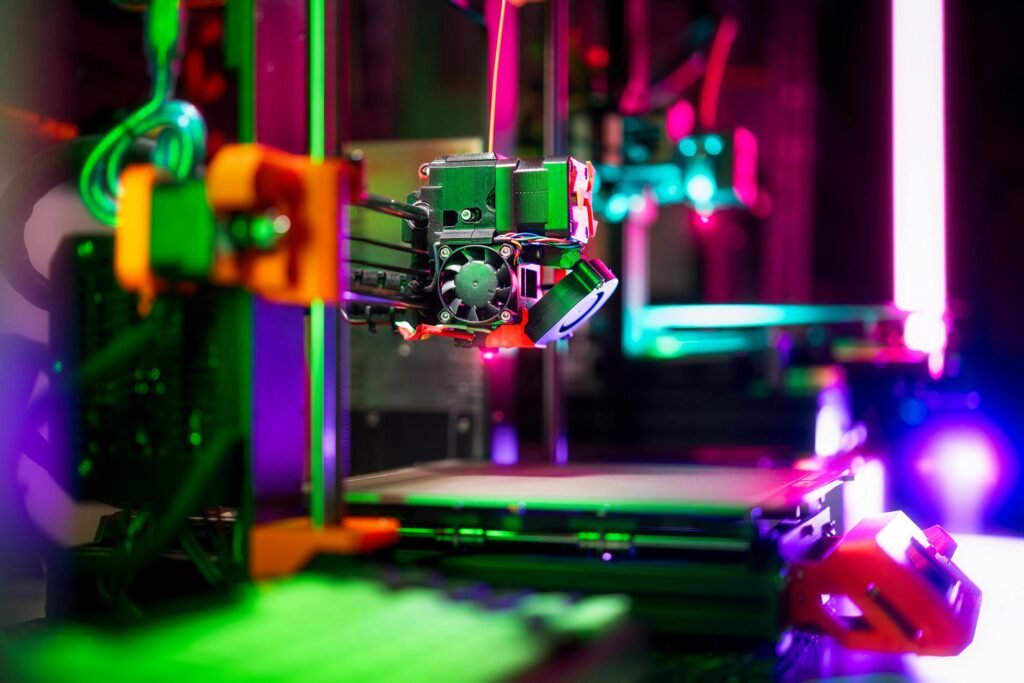
Modern printing technology has improved quality and flexibility. High resolution printing, eco friendly materials, and advanced finishing options allow brands to stand out.
Design software and digital proofing tools also reduce errors and ensure accuracy before printing.
Combining modern tools with creative expertise produces better results and less waste.
Artificial Intelligence in Design Processes
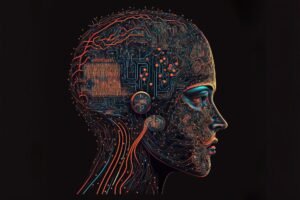
AI tools now assist designers in layout suggestions, color matching, and typography pairing. These tools speed up workflows and improve consistency.
AI does not replace creativity. It supports designers by handling repetitive tasks and providing data driven insights.
Using AI responsibly improves efficiency without sacrificing originality.
Final Thoughts
Printing design solutions remain essential for businesses that want strong brand presence. When aligned with digital branding, printed materials reinforce trust and professionalism.
Investing in professional printing design ensures your brand looks credible both online and offline.